


Why Slums?
Slums need social intervention because they are characterized by extreme poverty, inadequate housing, limited access to basic services like clean water, sanitation, and healthcare, and systemic marginalization. These conditions perpetuate cycles of deprivation, inequality, and social exclusion. Here’s why social intervention is critical, with concise reasoning:
Health: Slum environments are breeding grounds for diseases due to poor sanitation and overcrowding. Children are susceptible to malnutrition, respiratory illnesses, and other preventable diseases due to lack of access to healthcare and proper nutrition.
Education: Many children in slums lack access to quality education due to factors like poverty, poorly equipped schools, and the need to work.
Safety: Slums can be dangerous places with high crime rates, limited law enforcement, and a lack of safe spaces for children to play.
Child Labor: Economic hardship often forces children into hazardous work to support their families, depriving them of their childhood and education.
Social Stigma: Children from slums may face discrimination and social stigma, impacting their self-esteem and future opportunities.
Limited Opportunities: Lack of access to recreational activities, safe spaces to play, and quality education and healthcare further restrict their potential.
Poverty Cycle: The challenges faced by children in slums can perpetuate a cycle of poverty, making it difficult for them to escape their circumstances.

Children
Children of illiterate parents or families affected by poverty are compelled to drop out of school at an early age. In some cases, children cannot cope with the formal education system as they lack guidance from teachers and parents even though primary education is free after the implementation of the Right to education.
High Vulnerability to Poverty and Exploitation
Children in slums often grow up in families with low and irregular incomes. This exposes them to malnutrition, child labour, abuse, neglect, and limited access to opportunities.
Poor Health and Nutrition
Overcrowded living conditions, inadequate sanitation, and unsafe drinking water make children highly susceptible to communicable diseases, stunted growth, and poor cognitive development.
Limited Access to Quality Education
Many children in slums either do not attend school or drop out early due to financial pressures, lack of supportive learning environments, or inadequate infrastructure.
Unsafe and Unstimulating Environments
Slum settings often lack safe spaces for play, learning, and emotional development. Exposure to violence, substance abuse, and crime further hampers their growth.
Breaking the Cycle of Poverty
Early intervention (health, education, nutrition, life skills) significantly improves children’s chances of escaping poverty, securing better livelihoods, and contributing positively to society.
Long-Term Social and Economic Impact
Investing in slum children reduces future costs in healthcare, criminal justice, and social welfare, while enhancing the community’s productivity and resilience.
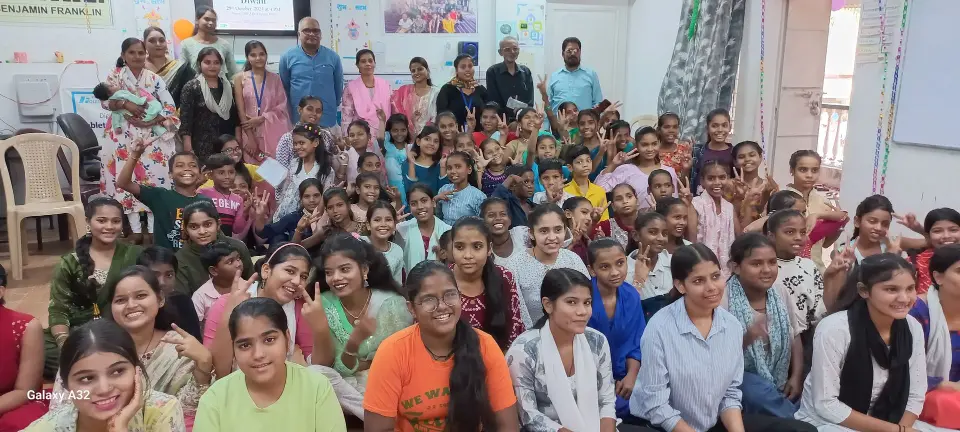
Youth
Why School dropouts and why youth living in urban slums as target groups?
A U-Report poll of the United Nations Children’s Fund (UNICEF) conducted in India on International Women’s Day 2022 revealed that around 38% of the respondents knew at least one female student who had dropped out of school.
The report by UNICEF India suggests that the increase in the dropout rate of girls from schools across the country is alarming.
With the number of COVID-19 cases on a decline, schools in India have resumed offline functioning. However, the multiple reopening and closures of schools in the past two years had caused massive disruptions in the education of crores of schoolchildren.
It is reported that at the peak of the pandemic, around 24.7 crore schoolchildren were affected due to the closure. The digital divide in the country posed a problem for children who could not access remote learning when schools were closed.
Children from low-income homes suffered the most as they faced the most difficulty in accessing remote learning.
The 2020-21 report by Unified District Information System for Education Plus (UDISE+) revealed that the annual dropout rate of secondary school students was 14.6%.
Yasumasa Kimura, UNICEF India Representative, fears that there is a risk of a “lost generation of children” who will never return to school and that the impact on female students is disproportionately worse.
Under-skilled youth will be underemployed and underpaid. They will have low self-esteem.
A school dropout is out of reach of any institution and friends. No support is available and will be seen as a burden or an unproductive person in the family. He or she does the lion’s share of household work. Such youth will have no scope to study further and their development. They are malnourished and prone to early marriage.
Youth become a vehicle of poverty and pass that on to the next generation being under-skilled and under-employed.

Women
Why slum women as target group?
Hopes and dreams of better life and prospects push rural and under-skilled women to migrate to megacities from the villages. It’s a matter of pride if a village girl is married to someone working in the informal sector.
For some women from poor families, it’s an opportunity to escape from the abusive money lender or alcoholic husband or opportunities for work.
Slums are accepted and real settlements in the urban landscape of India. The situation is so common that one in every six urban Indians lives in slums. The population living in urban areas in developing countries rose from 18 per cent to 40 per cent. It is further expected to rise to 56 per cent by 2030.
Thanks to urbanisation.
Lives in a slum have been overlooked by engineers. over-crowding and lack of basic infrastructure services like water, sanitation, and health facilities. The toilets mostly face the street with no place to dispose of menstrual waste. In India, women have expressed concern about sexual assault due to broken latches or absent doors on shared toilets.
Crime in urban slums towards women is common and often with a motive for sex than money and more so for women-headed households.
According to the World Health Organization (WHO), approximately 264 million people around the world experience depression. Annually, over 800,000 people commit suicide due to the squeal of depression. Between 76% and 85% of people with depression live in low- and middle-income countries. 2 Poor and women living either in developed or developing nations bear the greatest burden of depression.
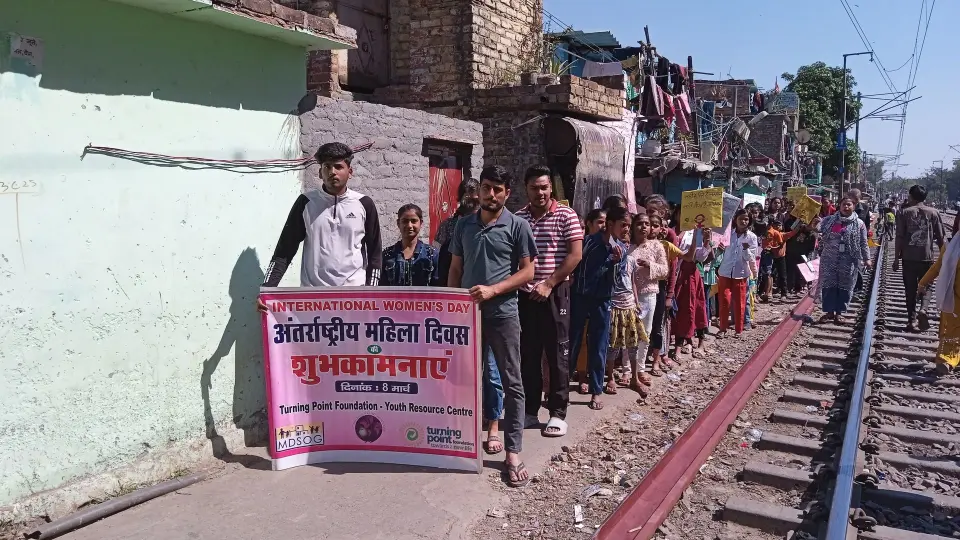
Elderly
The percentage of seniors aged 60 and above is anticipated to rise from 9.9% in the year 2000 to 14.6% in 2025, and further to 21.1% by 2050.
The condition of elderly poverty has been a consistent phenomenon in the World as the older population is deprived of basic needs. The eight factors of deprivation among the elderly are poverty, social inferiority, social isolation, physical weakness, vulnerability, seasonality, powerlessness, and humiliation [JT1] .